
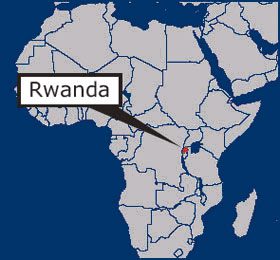
You may remember the genocide in Rwanda in 1994. In one hundred days, an estimated 1,000,000 people were slaughtered. The beautiful Rwanda was in ruins and declared a failed State.
You may be surprised to know that today, Rwanda is considered one of the safest, cleanest and least corrupt countries in Africa. It ranks first of 48 African countries in progress toward UN Millennium Development goals. Premised on a Unity and Reconciliation policy, Rwanda has universal health care and the largest percentage of women parliamentarians in the world. Rwanda enjoys steady 8% growth in GNP and has dramatically reduced its dependence on foreign aid.
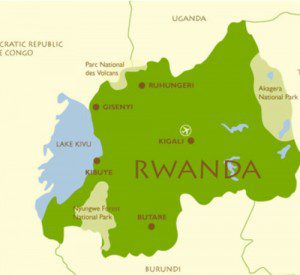
Rwanda Facts
Rwanda is a small country in East Africa, about the size of the state Maryland in the U.S. Known as “the land of a thousand hills”, it features terraced farming. Approximately 80% of Rwanda’s 10 million inhabitants are subsistence farmers. The official languages of the country are English, French and Kinyarwanda, the sole indigenous language. What we think of as restorative justice is central in Rwandan culture, as is dancing, cooperative agriculture and the production of milk from cows.
Truth and Reconciliation
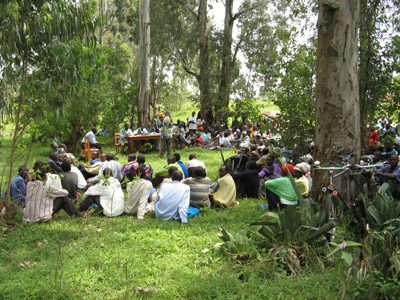
After the genocide, overcrowded prisons overwhelmed the justice system. Rwanda established a transitional justice system known as Gacaca (Gaa-cha-cha), based on a traditional community dispute resolution process. Gacaca courts were conducted outdoors, with full community participation. By 2011 when Gacaca trials concluded, hundreds of thousands were released from prison after telling survivors what they knew about the genocide and their participation in it.
Mediation in Rwanda
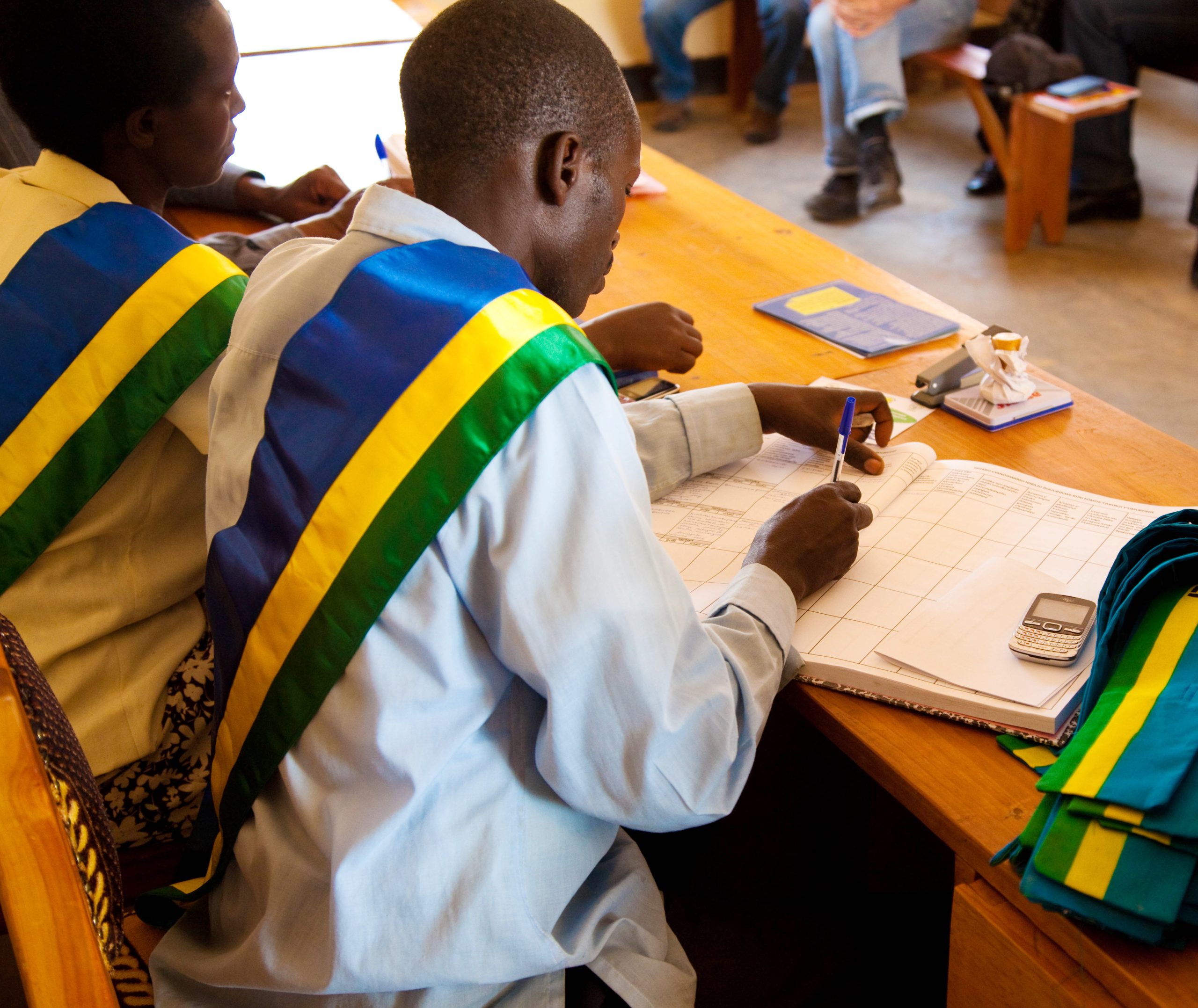
Rwanda has 32,000 locally elected community mediators, called Abunzi, which have original jurisdiction for most legal matters. People can “opt out” of the Abunzi system, only by appeal to the courts. The Abunzi system is a uniquely Rwanda approach that integrates restorative justice with traditional rights-based analysis. The goal is to enforce legal rights while creating sustainable, harmonious relationships. Abunzi are responsible for resolving the many land and family disputes resulting from the rent in the social fabric created by the genocide.
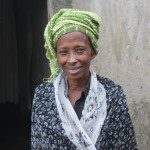
Women in Rwanda
The role of women in Rwanda has transformed since the genocide. Rwanda has the highest percentage of women in government of any country in the world. Although the constitution requires a 30% minimum quota for women in offices throughout government, the percentages are higher. New, far-reaching laws enable women to own and inherit property and to pass citizenship to their children. Women may now use their husband’s collateral for loans, and government-backed loans encourage entrepreneurship for women without families. A recent law on gender-based violence provides new training and resources for hospitals and police to better serve victims of rape.
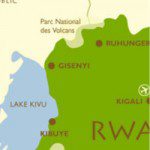
Our Location
Our activities center in the Rubavu district in the northwest corner of the country, near the Volcano National Park famous for its protection of gorillas. Gisenyi is the major city in the District and hosts a busy border crossing to Goma, in the Democratic Republic of Congo. The district is on the shore of Lake Kivu, a popular tourist attraction.
